Rajasthani Wedding Rituals & Ceremonies Explained: Complete Guide
 Tips
TipsRajasthani marriage is a perfect blend of color, tradition, royalty and family values. Every ceremony symbolizes blessings, family bonds and a significant milestone in marriage.
There are many traditions that are followed, which are based on the Marwari and Rajputi culture. Even modern couples are following these rituals to conduct their celebration at the destination or palace wedding venues in Jaipur. Although the core tradition has stayed the same, the decoration, venues and format of events have changed.
In this article, you will find the major wedding ceremonies of Rajasthan, their significance, and the typical timing of these ceremonies. Also, you will get some tips on how to incorporate them into a modern wedding.
Pre-Wedding Rajasthani Wedding Rituals and Family Customs
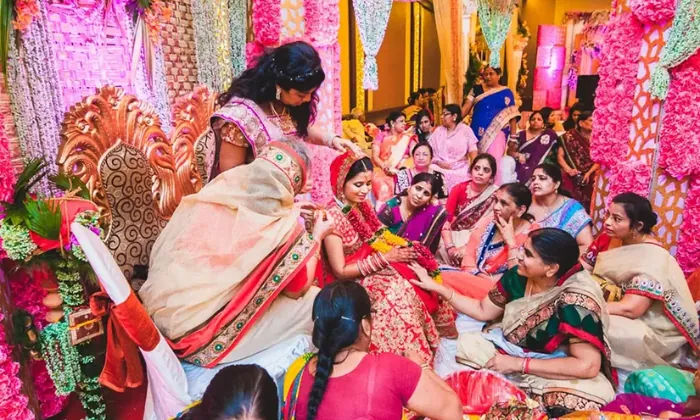
The wedding celebration starts weeks prior to the main function in Rajasthani weddings. The houses are adorned, relatives start to arrive and families begin preparations for several days of celebration.
In the traditional wedding practices of Marwari and Rajputi people, there is a significant traditional role played by the elders. They are an integral part of many ceremonies, and continue to bless the couple with their presence.
Roka, Sagai and Mudda Tikka
Roka or Sagai is the official start of the wedding journey. In some Marwari families, the ceremony is also known as Mudda Tikka.
The match is agreed upon by the families in name. While elders bless the couple with tilak, give gifts and sweets to the couple, they exchange rings.
This cozy ritual can be transformed into a sophisticated engagement party by modern families. Chomu Palace Jaipur can lend a traditional background to the occasion with its heritage properties.
Ganesh Pooja, Byah Haath and Auspicious Beginnings
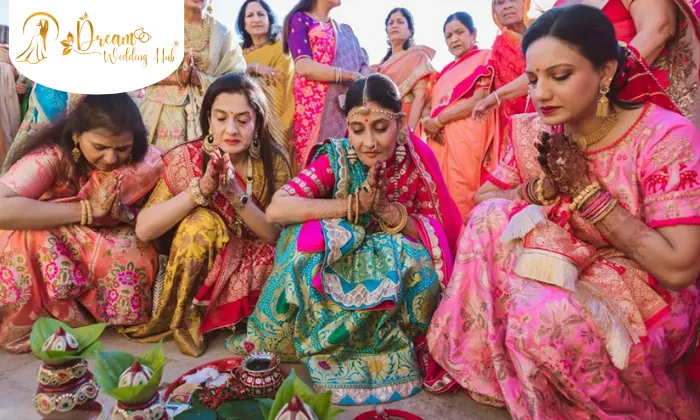
Ganesh Pooja is done before significant marriage occasions to get blessings and cast away impediments. In various families, the ritual can be called Naandi or Byah Haath.
The peaceful start to the wedding celebrations is made with marigold flowers, earthen lamps, traditional music and family prayers. In the early ceremonies, a young boy is also included as a symbolic representation of Lord Ganesh in some families of Jaipur.
Pithi or Telbaan: The Rajasthani Haldi Ceremony
Pithi or Telbaan is one of the most lively Rajasthani wedding rituals. Families apply a traditional paste of turmeric, curd, and oil to the bride and groom.
The ceremony usually involves folk songs, dancing, dhol, and plenty of family interaction. Modern celebrations may also include live music and colourful decor.
Pithi is not simply about the haldi application. It brings both families together before the main wedding celebrations begin.
Mehendi and Sangeet Rituals in Rajasthan
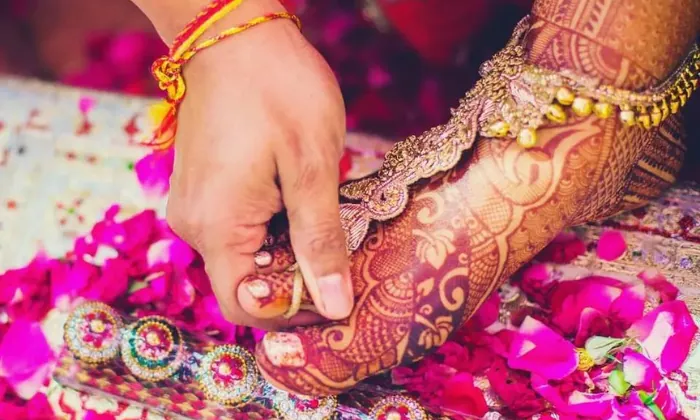
Mehendi and Sangeet rituals in Rajasthan weddings combine artistry, music, dance, and family entertainment.
Bridal mehendi often features detailed traditional patterns. Designs may also hide the groom's initials as part of a popular wedding tradition.
Mehendi Ceremony Details
The mehendi ceremony is usually filled with music, snacks, conversations, and photographs. Brides may choose intricate designs covering their hands and feet.
Grooms can also receive smaller mehendi designs, particularly in some Marwari families. Traditional snacks such as ghevar, mawa kachori, and namkeen are commonly served during the celebration.
Sangeet and Mehfil
Traditional Mehendi Sangeet rituals Rajasthan celebrations often develop into a lively mehfil.
Family members perform choreographed dances, prepare humorous skits, and showcase traditional ghoomar performances. Bollywood music can follow the folk performances. This creates a mix of traditional and contemporary entertainment.
This format works particularly well for destination weddings, where couples can introduce guests to Rajasthan's folk culture.
Groom-Side Rajputi Wedding Customs and Baraat Traditions
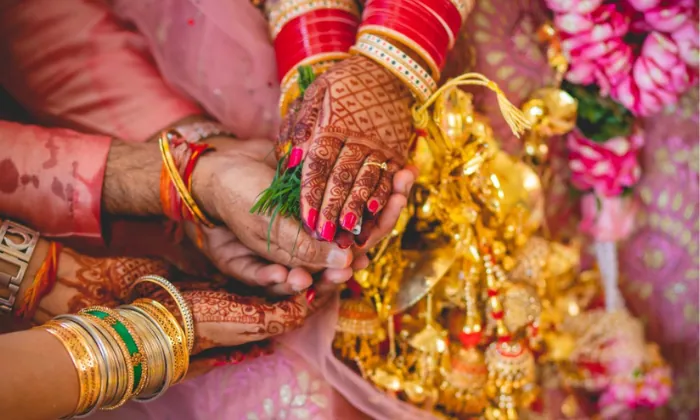
Rajputi wedding customs traditionally focus on honour, responsibility, family, and the groom's transition into married life. Several ceremonies take place before the groom leaves for the wedding venue.
Baan, Sehra Bandi and Nikasi
Baan is performed as a blessing ceremony for the groom. Sehra Bandi follows, with a floral or decorative sehra tied to his turban.
Nikasi marks the groom's departure for the wedding procession. Sister or cousin may perform an aarti and tie sacred threads before the groom leaves.
Baraat Traditions in Rajasthan
The baraat traditions Rajasthan are one of the most dynamic aspects of the wedding.
The groom can come in a decorated mare, traditionally. Vintage cars and other fancy entries are also employed for modern weddings. The procession is accompanied by brass bands, folk performers and dancing family members.
In some families of the Rajput community, the groom is given a ceremonial sword which symbolizes his responsibility and protection.
Bride's Welcome, Milni and Palace Wedding Jaipur Rituals
The arrival of the baraat marks the beginning of the main wedding ceremonies. Traditional customs focus on welcoming the groom and bringing the two families together.
Toran, Aarti and Milni
The groom is welcomed at the entrance with traditional customs such as Toran and Aarti.
The bride's mother may perform an aarti and participate in playful customs. Milni follows, where relatives from both families meet, exchange garlands, and greet one another.
The ceremony symbolises the coming together of two families rather than just two individuals.
How Palace Venues Elevate Jaipur Royal Wedding Ceremonies
Of course, it is natural that heritage venues go well with traditional wedding ceremonies. Jharokhas and historic interiors, with a bit of decor, create an authentic setting, courtyards, frescoes and arches remain.
In fact, properties like Alsisar Haveli Jaipur can be very useful for Milni, welcome ceremonies and other traditional ceremonies.
Sacred Pheras in a Rajasthani Wedding
The sacred fire ceremony forms the spiritual heart of the wedding. The couple sits around the agni while family members and the priest participate in the rituals.
Even modern weddings often preserve this part of the ceremony because of its religious and emotional significance.
Jaimala: The First Public Acceptance
Jaimala takes place before the couple sits at the mandap.
The bride and groom exchange floral garlands in front of their families and guests. The ritual represents mutual acceptance and marks the couple's public commitment to one another.
Kanyadaan
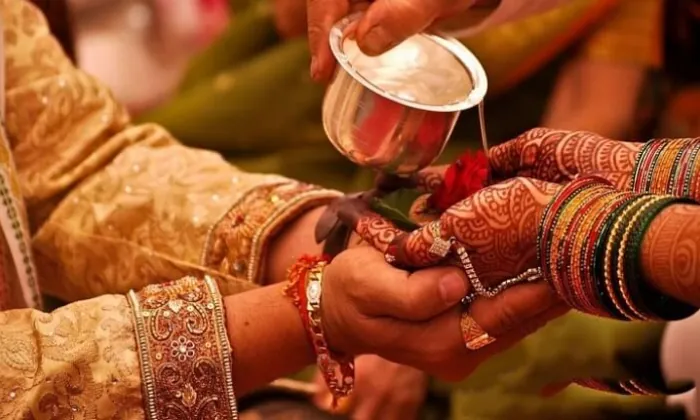
Kanyadaan is an emotional ceremony involving the bride's parents and the groom.
Traditionally, the bride's parents place her hands into the groom's hands while offering their blessings. Modern couples may interpret the ritual through the lens of partnership and equality while retaining its emotional significance for the family.
Pheras in a Rajasthani Wedding
The pheras Rajasthani wedding ceremony involves the couple taking seven rounds around the sacred fire. It is also associated with Saptapadi.
Each round represents important commitments between the couple. These include sharing responsibilities, supporting one another, and building a life together.
Priests may explain the meaning of each vow in Hindi so younger guests can better understand the pheras' importance in Rajput weddings.
Sindoor, Mangalsutra and Completion of the Ceremony
After the pheras, the groom applies sindoor to the bride's hair parting and ties the mangalsutra.
Families may also include additional customs based on their community or lineage. Elders then bless the newly married couple and wish them prosperity and harmony.
Rajasthani Wedding Rituals and Their Cost
Wedding costs vary based on the venue, guest count, décor, artists, and scale of the celebration.
Ritual / Ceremony | Stage | Typical Duration | Cultural Focus | Approx. Budget |
Pithi / Telbaan | Pre-wedding | 2–3 hours | Purification and family bonding | ₹15,000–₹60,000 at home |
Mehendi & Sangeet | Pre-wedding | Half to full day | Art, music and entertainment | ₹80,000–₹5,00,000+ |
Baraat | Wedding day | 1–2 hours | Royal entry and celebration | ₹50,000–₹3,00,000+ |
Mandap & Pheras | Wedding day | 1.5–3 hours | Sacred vows and union | ₹1,00,000–₹7,00,000+ |
Reception | Post-wedding | 3–5 hours | Hospitality and celebration | ₹1,50,000–₹15,00,000+ |
These are indicative ranges and can change significantly based on location, vendor selection, guest count, and production scale.
Post-Wedding Rajasthani Wedding Rituals
The wedding does not end with the pheras. Post-wedding traditions mark the bride's transition into her new family while maintaining her bond with her parents.
Vidaai: The Emotional Farewell
Vidaai is one of the most emotional Rajasthani wedding ceremonies.
The bride leaves her parental home after receiving blessings from family members. She may throw rice or wheat over her head as a symbolic gesture of gratitude for the love and care received from her family.
Griha Pravesh and Pag Phera
Griha Pravesh welcomes the bride into her new home. Traditional customs can include stepping into vermillion water and gently kicking a pot of rice.
Some families also include playful post-wedding games to help the couple relax. Pag Phera follows later, when the bride visits her parental home and spends time with her family.
Palace Weddings in Rajasthan: How Rituals Adapt
Modern couples are increasingly taking traditional Rajasthani wedding ceremonies to heritage hotels, forts, palaces, and destination venues.
This can enhance the cultural experience when the venue, décor, food, and entertainment are selected thoughtfully.
Matching Rajasthani Wedding Rituals With Venues
For different ceremonies, different venues are suitable.
Sunset pheras take place in Taj Lake Palace Udaipur, in the beautiful surroundings of a lakefront property. Open air Sangeets can be done in the properties of the Hill-top like Fateh Garh Udaipur. Mehendi and haldi are performed with a vibrant backdrop of desert properties like Suryagarh Jaisalmer.
When selecting a venue for your wedding, you can rely on a good wedding planner in Jaipur to ensure that you are perfectly matched with the ideal space that suits the theme.
Decor, Food and Folk Performances
Traditional decor style can play a significant role in enhancing the feeling of a Rajasthani marriage.
Using genda phool, hand-blocked fabrics, traditional umbrellas and earthy textures can help to achieve an authentic feel. The celebration also includes folk dances like ghoomar and kalbalia, which showcase the region's unique cultural heritage.
Local musicians and dancers may be a part of the mehendi, sangeet, baraat or reception.
Rajasthani Wedding Attire and Jewellery
Traditional dresses are a crucial factor in the marriage ceremony of Rajasthan. The traditional wedding dress and suit can be a great way for brides and grooms to incorporate elements of their local culture.
Traditional Rajasthani Bridal Look
Traditionally, the Rajasthani bride wears a lehenga or poshak that is embellished with embroidery. Red, maroon, orange and fuchsia are popular colors.
The look is often characterized by intricate designs such as gota patti, zardozi, rich borders, and detailed odhnis. Traditional jewellery can be borla, aad choker, rani haar, nath, bangles and payal.
Traditional Rajasthani Groom Look
The Rajasthani grooms typically wear churidar or Jodhpuri trousers with a sherwani or achkan. The traditional safaa or turban is worn to complete the appearance. Polki jewellery, pins of sarpech or heritage inspired accessories can give a royal attribute to your accessories.
Traditional Rajasthani Wedding Food and Hospitality
Food plays a significant role in Rajasthani hospitality. Traditional wedding menus are a mixture of local cuisine and impressive food presentation.
Traditional Rajasthani Wedding Menu
Dal baati churma
Ker sangri
Gatte ki sabzi
Papad mangodi
Bajre ki roti
Lasun chutney
Ghevar
Rabri
Boondi laddoos
Mawa kachori
Regional sweets and snacks can also be served during mehendi and other pre-wedding functions.
How to Plan Authentic Rajasthani Wedding Rituals
Planning authentic wedding rituals for Rajasthan is tricky because of the amount of work involved. Having a well-defined ritual timeline helps to make traditional ceremony planning easier before you finalize vendors.
Take the time to list all the ceremonies that your family needs. Now identify rituals that require dedicated functions and those that can be consolidated. This works particularly well when a couple is planning a wedding overseas and can't guarantee a high number of guests.
Choose vendors who understand local customs. Experienced planners, decorators, caterers, musicians, and photographers can help maintain the cultural character of each ceremony.
FAQs About Rajasthani Wedding Rituals
How many days do Rajasthani wedding ceremonies usually last?
Most Rajasthani weddings run for 2–4 days, covering mehendi, sangeet, haldi, the main wedding ceremony, and reception. Traditional families may extend celebrations with additional poojas and family gatherings.
What is unique about Rajputi wedding customs?
Rajputi wedding customs place strong emphasis on honour, family, heritage, and responsibility. Traditional attire, sword-related customs, royal baraat traditions, and formal family etiquette are often important elements.
Can we simplify rituals for a palace wedding in Jaipur?
Yes, couples can retain important ceremonies such as pheras, Kanyadaan, and Vidaai while combining smaller rituals. This allows families to preserve traditions while maintaining a practical destination wedding schedule.
Are Mehendi and Sangeet held on separate days?
Not always. Smaller weddings may combine the two into one afternoon and evening celebration. Larger weddings often dedicate separate days to mehendi and sangeet.
Do couples take seven pheras in Rajasthani weddings?
Yes, the couple traditionally takes seven rounds around the sacred fire. Each round represents important vows and commitments within married life.
How can we add Rajasthani folk culture to the wedding?
Ghoomar, Kalbelia, live folk musicians, traditional welcome ceremonies, regional décor, and Rajasthani food can all strengthen the cultural experience. These elements work particularly well for destination weddings.
Similar Blogs
 Tips
Tips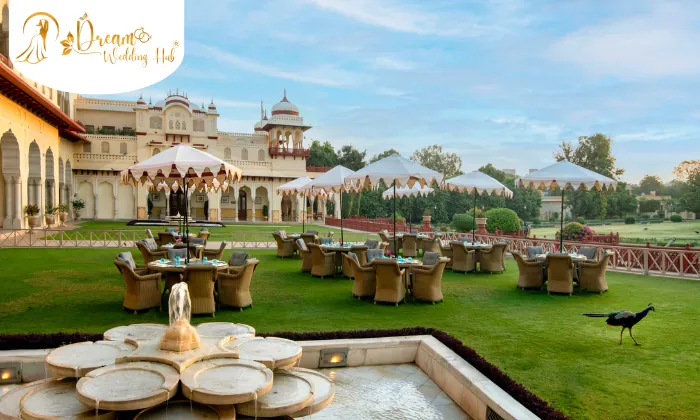 Tips
Tips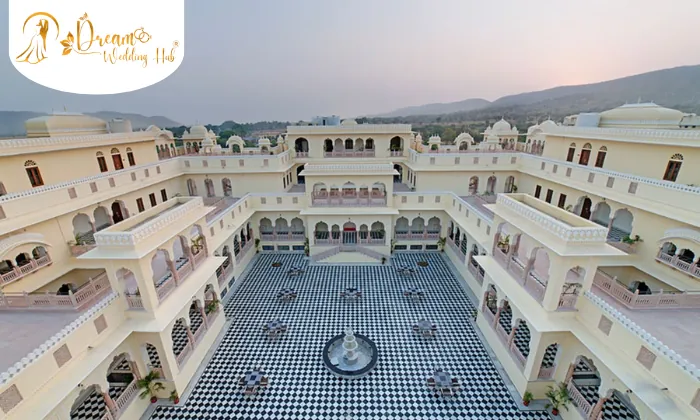 Tips
Tips Tips
TipsLuxury vs Budget Wedding Planning in Jaipur
15 Aug 2026
 Tips
Tips Tips
Tips10 Best Wedding Planners in Jaipur (2026)
14 Aug 2026
 Tips
TipsBlog Category
Latest News
Supriya Sule’s Daughter Revati Sule’s Grand Delhi Wedding Reception: Who Attended
13 Aug 2026
Jiya Shankar Gets Engaged: Actress Shares Dreamy Proposal Photos With Boyfriend Kaaran
7 Aug 2026

Janhvi Kapoor's Latest Looks Are Perfect Wedding Fashion Inspiration
3 Aug 2026
Spider-Man Star Jacob Batalon Secretly Marries Longtime Girlfriend Veronica Leahov
1 Aug 2026
Madison Beer Engaged to NFL Star Justin Herbert, Shares Dreamy Proposal Photos
30 Jul 2026

Emma Roberts Marries Cody John in an Intimate Idaho Wedding After Two-Year Romance
27 Jul 2026
Alex de Minaur and Katie Boulter Marry in Two Beautiful Ceremonies After Wimbledon
23 Jul 2026

MrBeast Marries Longtime Girlfriend Thea Donaldson in a Private Island Wedding
22 Jul 2026